Anger Management: How to Understand and Control Anger
Written by Dr. Srishti Rastogi

Dr. Srishti Rastogi is a medical writer and healthcare professional dedicated to high-quality patient education and public health awareness. Leveraging her clinical background, she produces deeply researched, evidence-based content for digital health platforms and medical publications. Dr. Srishti’s unique dual perspective as a clinician and communicator allows her to craft content that builds trust and credibility with readers navigating sensitive health topics.
•
September 8, 2026
Our experts continually monitor the health and wellness space, and we update our articles when new information becomes available.
Quick Read
Anger itself isn't the problem, how you respond to it is. Create space before you react: step away for a few minutes, breathe slowly, or wait before you reply. Notice your own early signs, a tight jaw, a racing heart, so you can catch it before it turns into words or actions you regret. If anger is frequent, intense, or hurting people around you, it's worth professional support, especially since it can also be a sign of something else like depression, anxiety or PTSD.
Everyone gets angry. That doesn't make you a bad person, and it doesn't mean something is wrong with you.
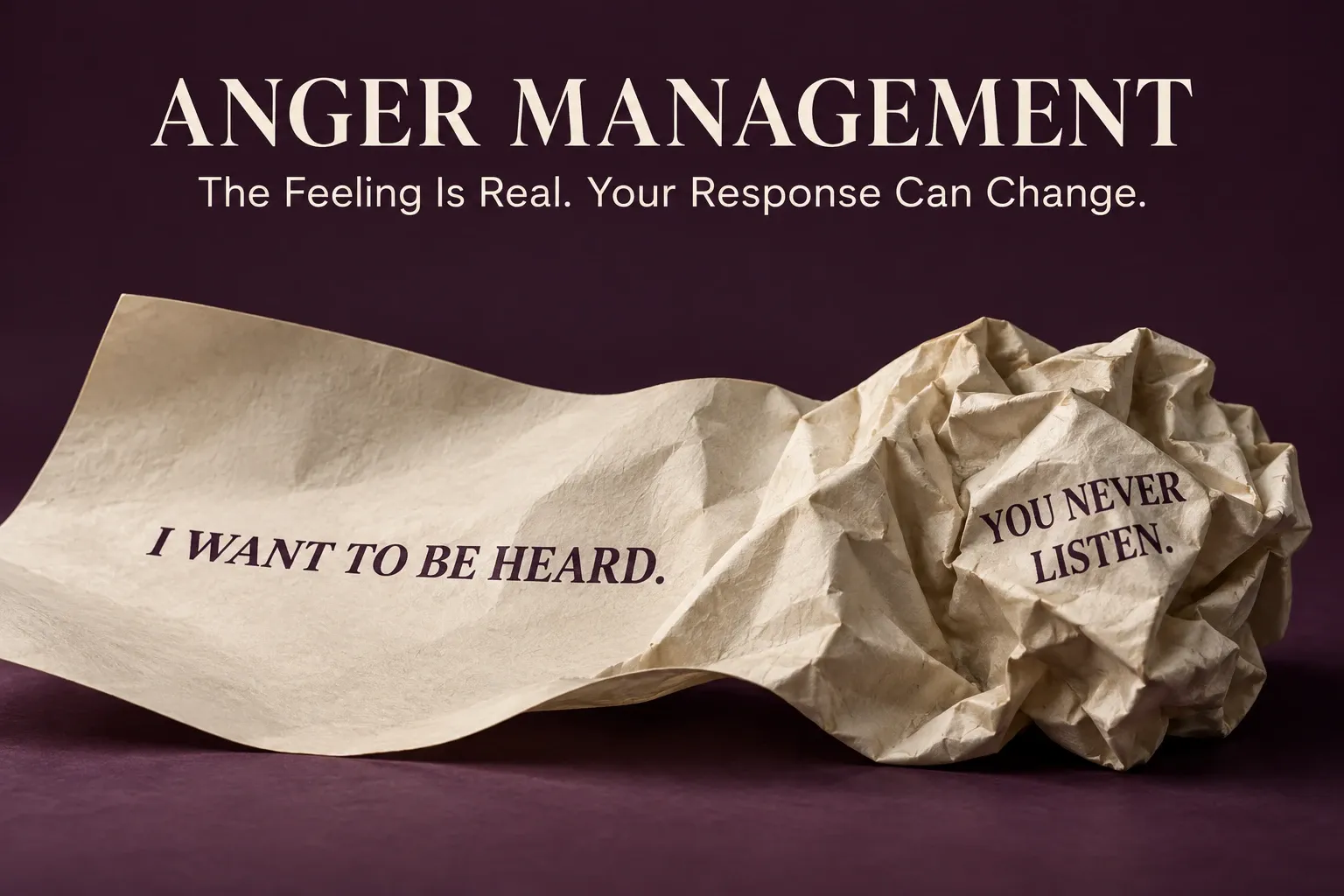
What matters is what happens next. Do you shout something you don't mean? Go quiet and stew for hours? Take it out on the wrong person? Anger itself is just information, it's telling you something felt unfair, threatening, or out of your control. The problem starts when it shows up too often, hits too hard, or leads to things you regret afterward.
This guide isn't about switching anger off. It's about catching it earlier, understanding what's driving it, and knowing what actually helps, in the moment and over time.
What Does Anger Management Mean?
Anger management isn’t about never feeling angry again. That wouldn’t be realistic.
Anger can tell you that something feels unfair, threatening or frustrating. The problem begins when it appears too often, feels too intense or leads to actions you later regret. Maybe you shout during small disagreements. Lose control in traffic. Send harsh messages and wish you could take them back. Or stay angry for hours after the situation has ended.

Anger management helps you catch the feeling earlier and choose what to do with it.

Allo asks
What usually happens right before you lose your temper?
When Does Anger Become a Problem?
Anger may need attention when it starts affecting your health, work or relationships.
You might:
- Shout, threaten or insult people
- Break or throw things
- Become aggressive while driving
- Regret what you say during arguments
- Stay irritated for most of the day
- Frighten your partner, children or family
- Damage relationships and then apologise repeatedly
- Feel that anger takes over before you can stop it
One angry outburst doesn’t define you. But a pattern that keeps returning is worth taking seriously.

Can Anger Affect Your Physical Health?
Yes. Intense anger puts the body under sudden stress. Your heart beats faster, your blood pressure rises and your muscles tighten.
A review of nine studies found that the risk of a heart attack or acute chest pain was about 4.7 times higher during the two hours after an anger outburst. The risk of stroke also increased for a short period [2].
This doesn’t mean that one argument will cause a heart attack. The risk to any one person remains small. But frequent, intense anger can place repeated pressure on the body and is linked with heart problems over time.
Chest pain, severe breathlessness, fainting or pain spreading to the arm or jaw needs urgent medical care. Don’t assume it’s only anger.
How Can You Calm Down When You’re Angry?
First, stop the conversation for a few minutes. Not as punishment. Just to prevent the situation from getting worse.
Say something simple: “I’m too angry to talk properly right now. Give me ten minutes.”
Move away if it’s safe. Breathe out slowly. Take a short walk, wash your face or wait before replying to that message. Alcohol usually makes self-control worse, so don’t use it to calm down.
When you return, explain what affected you without attacking the other person. “I felt ignored when that happened” is easier to hear than “You never listen to me.”
Slow breathing and grounding techniques can help settle the body. Regular movement may also reduce some of the physical tension.

What Are the Early Warning Signs of Anger?
Anger often feels sudden. Usually, the body gives a few warnings first.
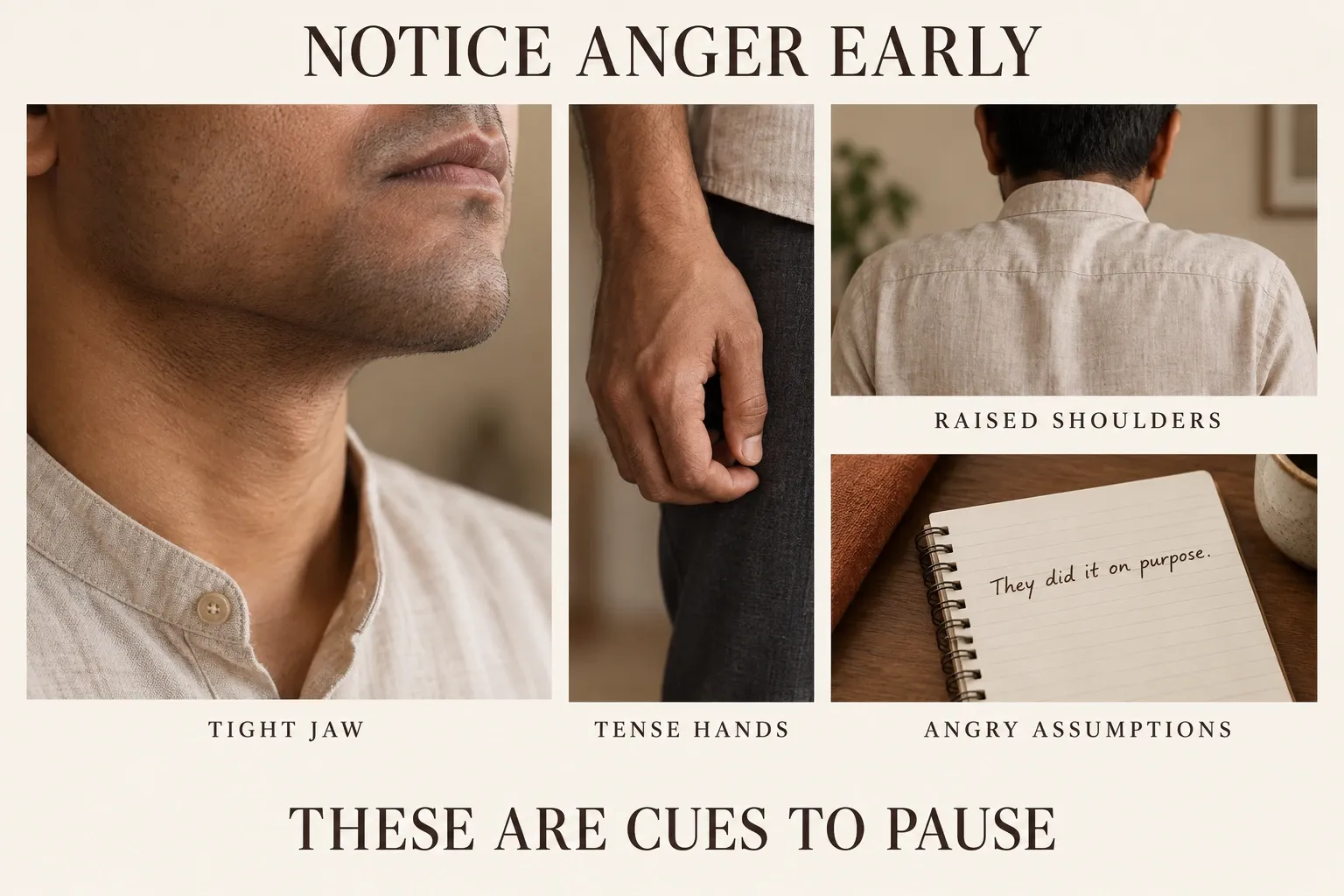
Your jaw may tighten. Your heart may race. Your face or chest may feel hot. You may start speaking faster, clenching your fists or replaying something the other person said.
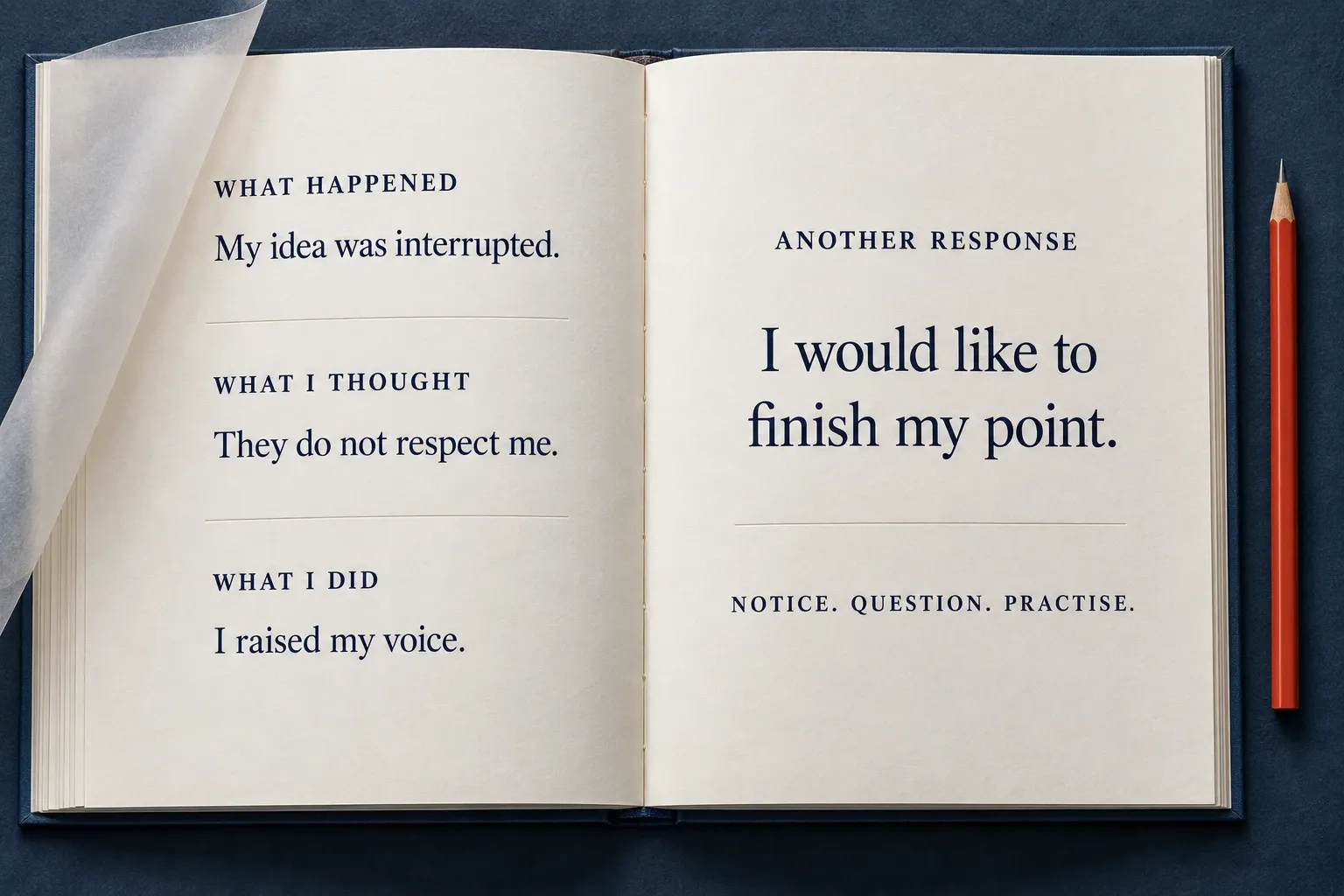
Thoughts change too. “They’re doing this on purpose.” “Nobody respects me.” “I’ll show them.” These signs are your chance to pause. The earlier you notice them, the easier it is to avoid saying or doing something harmful.
For one week, make a short note after each outburst: what happened, what you thought and what you did next. A pattern may become clear. Lack of sleep, hunger, alcohol, work pressure or one particular type of conversation may keep appearing.
Why Do I Get Angry So Easily?
There may not be one simple reason.
Stress, poor sleep, family conflict, money worries and feeling unheard can all shorten your patience. Sometimes anger has been building for a long time and comes out during a much smaller problem.
Frequent anger or irritability can also appear with depression, generalised anxiety disorder, PTSD, trauma or bipolar disorder.
There is also a condition called intermittent explosive disorder. It involves repeated, sudden outbursts that are much stronger than the situation calls for and are not planned [1].
Don’t diagnose yourself from an online list. A professional can check whether anger is the main concern or part of something else.
Anger itself is not the problem. It is information. The people I see in clinic are rarely struggling because they feel angry, they are struggling because the anger arrives too fast for them to catch it before it turns into words or actions they regret. That gap, between the first warning sign and the outburst, is exactly what we work on.
How Can You Manage Road Rage in India?
Traffic can test anyone’s patience. Long jams, constant honking, heat, and unsafe overtaking can quickly trigger anger.
A Delhi study involving 200 drivers looked at triggers such as honking, being overtaken from the wrong side, loud music and heat. Drivers with higher anger scores were more likely to use verbal abuse, block other vehicles or make physical contact with them [4].
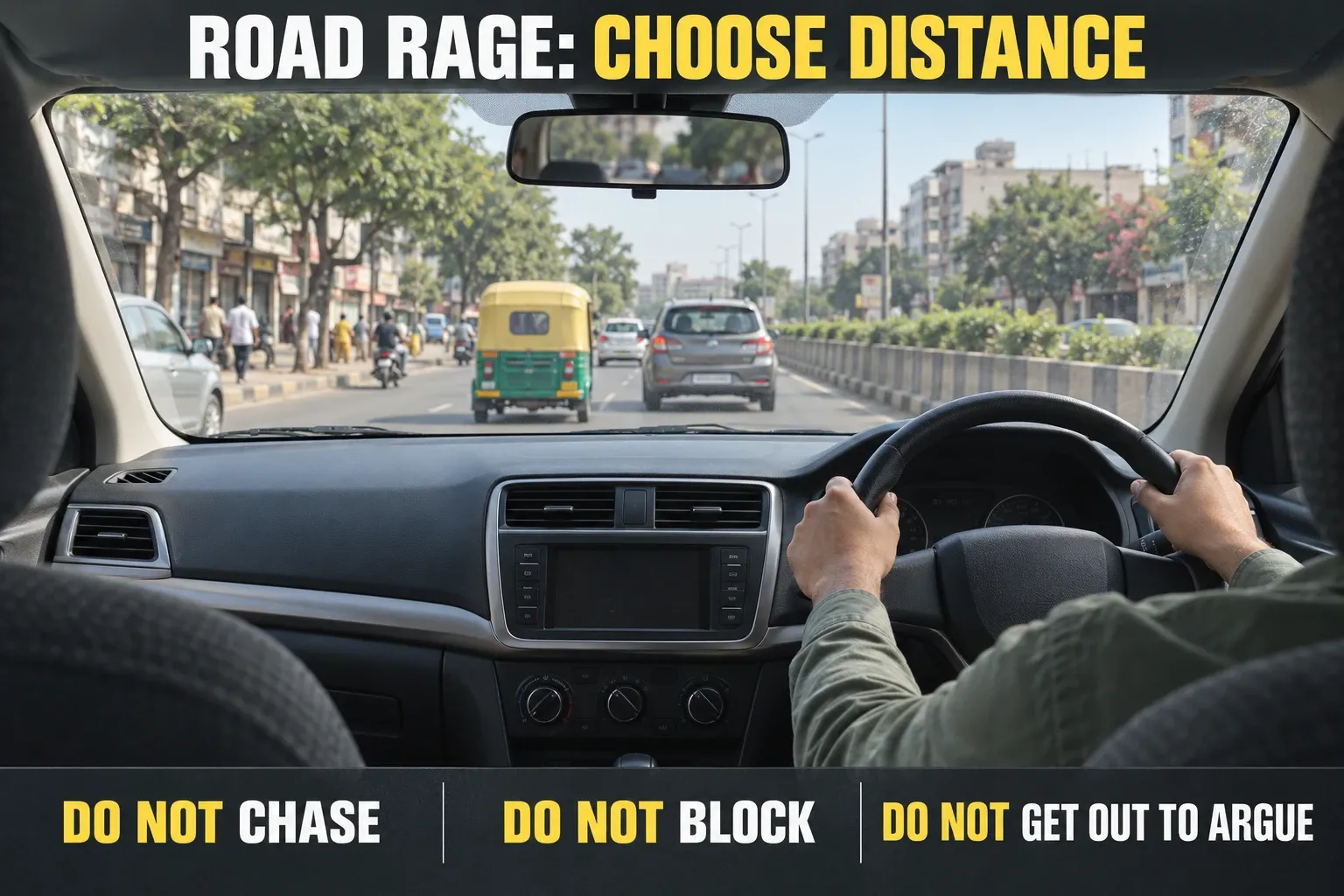
If you feel anger rising, create distance instead of trying to teach the other driver a lesson. Don’t chase, block or get out of the vehicle to argue. Pull over safely if you need a few minutes.
Reaching late is frustrating. A crash or fight can change much more than your schedule.
What If My Anger Is Hurting Other People?
If you have hit someone, threatened them, broken things or made people at home afraid of you, don’t treat it as “just a temper.”
Leave the argument before it becomes physical. Put down anything that could be used to hurt someone. Stay away from alcohol and arrange professional help.
Taking responsibility doesn’t mean calling yourself a bad person. It means accepting that the behaviour is unsafe and needs to change.
If you think you may hurt someone right now, move away from them and call 112 or go to the nearest hospital emergency department.
If you’re frightened by someone else’s anger, focus on your safety first. Don’t confront them while they’re aggressive. Contact someone you trust or emergency services if you’re in danger. Read more about supporting a loved one.
Does Therapy Help with Anger?
Yes. Therapy can help when anger keeps returning or feels difficult to control.
Cognitive behavioural therapy, or CBT, helps you notice triggers, question angry thoughts and practise safer responses. A review of 50 studies found that psychological treatment produced consistent improvements in anger [3]. Therapy isn’t a lecture about behaving better. It looks at what happens before, during and after an outburst. You then work on changing that pattern.
Sessions may be individual or in a group. Online therapy can also be an option. If this is your first time seeking help, read what to expect in psychotherapy.
When Should You Get Help for Anger?
Speak to a mental health professional if anger is damaging your relationships, affecting work, becoming aggressive or leaving you ashamed afterwards.
A confidential consultation with Allo Health can help you understand what is driving the anger and what kind of support may suit you.
Disclaimer
This blog article discusses mental health and emotional wellbeing for general educational and informational purposes only. It is not a substitute for professional advice, diagnosis, or treatment, and only a qualified mental health professional, such as a psychiatrist, psychologist, or licensed therapist, can diagnose a condition or recommend treatment. If you are struggling, please reach out to a qualified professional or someone you trust; if you are in crisis or may be at risk of harming yourself, use the crisis support resources on this page. For any decisions about your mental health, we encourage you to seek the guidance of a qualified professional.
Most Asked Questions
Is it normal to feel angry, or does it mean something is wrong with me?
Feeling angry is normal. It's a common human emotion, not a sign of a flaw. What's worth looking at is how often it happens and how you act on it, not the fact that you feel it at all.
What's the fastest way to calm down when I'm angry?
A short timeout, physically stepping away for a few minutes, works quickly for most people. Slow, deep breathing also calms the physical spike fast; our Mindfulness guide covers exactly how to do it.
Could my anger actually be depression or anxiety instead?
It's possible. Irritability and anger are recognised symptoms of depression, generalised anxiety, PTSD and bipolar disorder. If your anger comes with low mood, constant worry, or other changes, it's worth discussing the full picture with a professional rather than treating anger on its own.
What is intermittent explosive disorder?
It's a recognised diagnosis for outbursts that happen often, on average more than once a week for several months, are clearly out of proportion to what triggered them, and aren't planned. Only a qualified professional can diagnose it; this isn't something to self-assess from a description.
How do I know if I need anger management classes or therapy?
If anger is affecting your relationships, work or health, or if self-help hasn't been enough, that's reason enough to look into it. You don't need to wait until things feel like a crisis.
Sources
- 1.
American Psychiatric Association. What are Disruptive, Impulse-Control, and Conduct Disorders?
- 2.
Mostofsky E, Penner EA, Mittleman MA. Outbursts of anger as a trigger of acute cardiovascular events: a systematic review and meta-analysis. European Heart Journal. 2014;35(21):1404-1410.
- 3.
Beck R, Fernandez E. Cognitive-Behavioral Therapy in the Treatment of Anger: A Meta-Analysis. Cognitive Therapy and Research. 1998;22(1):63-74.
- 4.
Sagar R, Mehta M, Chugh G. Road rage: an exploratory study on aggressive driving experience on Indian roads. International Journal of Social Psychiatry. 2013;59(6).
Why Should You Trust Us?
Why Should You Trust Us?
This article was written by Dr. Srishti Rastogi, who has more than 1 years of experience in the healthcare industry.
Allo has the expertise of over 50+ doctors who have treated more than 1.5 lakh patients both online and offline across 30+ clinics.
Our mission is to provide reliable, accurate, and practical health information to help you make informed decisions.
For This Article
- We referenced a review of nine studies on anger and cardiovascular risk, so the claim about heart attack risk in the hours after an outburst reflects actual published research, not a guess.
- We included a Delhi-based study of 200 drivers on road rage triggers, because anger around Indian traffic conditions needed India-specific data rather than only Western research on driving behaviour.
- We drew on a review of 50 studies on psychological treatment for anger, so the guidance on therapy and CBT reflects what has been shown to consistently help, not general advice.
- We were direct about when anger crosses into being dangerous, including guidance for people who have hit someone or been threatened, rather than treating all anger as a minor self-help topic.
- We separated everyday irritation from anger linked to conditions like depression, PTSD or intermittent explosive disorder, so readers are not left to self-diagnose from a symptom list.